Best Practices for Working with a DWI Lawyer in Raleigh

Best Practices for Working with a DWI Lawyer in Raleigh

Fighting a DWI charge in Wake County requires understanding North Carolina’s strict laws. The stakes are high when facing drunk driving charges in Raleigh. Every decision you make now affects your driving privileges and criminal record.

North Carolina’s DWI laws carry harsh penalties that increase with each offense. First-time offenders face fines, license suspension, and possible jail time. Repeat offenders risk mandatory active jail sentences and permanent license revocation.

At Frickey Law, Michael Frickey brings Board Certified expertise to DWI defense. Our team knows Wake County courts and how prosecutors build their cases. We protect your rights from arrest through trial or negotiation.

North Carolina DWI Laws and Penalties

North Carolina uses a structured sentencing system for DWI convictions. The system has six levels based on aggravating and mitigating factors. Wake County judges follow these guidelines when determining appropriate sentences.

Level V carries the lightest penalties with fines starting at $200. Aggravated Level I requires at least twelve months of active jail time. Your blood alcohol content, driving record, and accident circumstances determine your level.

A 0.08% blood alcohol concentration triggers charges for drivers over twenty-one. Drivers under twenty-one face charges with any detectable alcohol present. Commercial drivers cannot exceed 0.04% while operating commercial vehicles.

Beyond criminal penalties, convictions add twelve insurance points to your record. Most drivers see their rates quadruple for three years after conviction. The financial impact often exceeds $10,000 in increased premiums alone.

Why You Need a Wake County DWI Attorney

Experienced legal representation changes the trajectory of your DWI case significantly. Wake County prosecutors aggressively pursue convictions using experienced officers and forensic evidence. Without skilled defense, you face maximum penalties and long-term consequences.

A qualified DWI attorney examines every aspect of your arrest carefully. We challenge illegal stops, improper testing procedures, and constitutional violations. These challenges often lead to evidence suppression or case dismissal.

Board Certified attorneys understand the science behind breath and blood testing. We know how medical conditions affect test results and field sobriety performance. This knowledge creates reasonable doubt that protects you at trial.

Your attorney handles both criminal court and DMV proceedings simultaneously. Missing critical deadlines costs you driving privileges regardless of criminal outcomes. Professional representation ensures all paperwork gets filed correctly and timely.

Selecting the Right Raleigh DWI Lawyer

Choosing legal representation requires careful evaluation of credentials and experience. Board Certification in Criminal Law demonstrates specialized knowledge and trial skills. Only a small percentage of North Carolina attorneys achieve this distinction.

Look for attorneys with specific DWI defense experience in Wake County. Local knowledge of judges, prosecutors, and court procedures provides strategic advantages. Former prosecutors bring valuable insight into how the State builds cases.

Your attorney should explain complex legal concepts in understandable terms. Clear communication ensures you make informed decisions about your defense strategy. Ask about their trial record and negotiation success rates.

Consider the firm’s resources for investigating and defending your case. Access to expert witnesses, private investigators, and technical specialists strengthens defenses. Smaller firms may lack resources for comprehensive case development.

The DWI Legal Process in Wake County

Your DWI case begins with arrest and chemical testing procedures. Officers must follow strict protocols during stops, field tests, and arrests. Any deviation from required procedures creates opportunities for legal challenges.

The first court appearance happens at the Wake County Justice Center. You’ll receive formal charges and learn about upcoming court dates. This hearing sets the timeline for the rest of your case.

Discovery allows your attorney to obtain all prosecution evidence against you. This includes officer reports, video footage, and chemical test results. Thorough evidence review reveals weaknesses in the State’s case.

Pre-trial motions challenge improper evidence and constitutional violations before trial. Successful motions can exclude key evidence or dismiss charges entirely. These hearings often determine whether cases proceed to trial.

Plea negotiations may offer reduced charges or alternative sentencing options. Your attorney evaluates offers based on evidence strength and potential outcomes. Not every case should go to trial despite client preferences.

Building Your DWI Defense Strategy

Effective defense strategies begin with comprehensive investigation of your arrest. We examine dashboard videos, body cameras, and witness statements for inconsistencies. Small details often reveal major problems with the prosecution’s case.

Chemical test challenges focus on machine calibration and maintenance records. The Intox EC/IR II requires specific procedures for accurate results. Mouth alcohol, medical conditions, and improper observation periods affect readings.

Field sobriety test performance depends on numerous factors beyond alcohol impairment. Age, weight, medical conditions, and nervousness impact balance and coordination. Road conditions and weather also affect test reliability significantly.

Alternative explanations for impairment symptoms strengthen your defense at trial. Prescription medications, fatigue, and medical conditions mimic intoxication signs. Expert witnesses explain these alternatives to judges and juries effectively.

Protecting Your Driving Privileges

License protection requires immediate action after your DWI arrest. You have only ten days to request a DMV hearing. Missing this deadline guarantees automatic suspension regardless of criminal case outcomes.

Limited driving privileges may be available after thirty days suspension. These privileges allow driving for work, school, and medical appointments. The court requires specific documentation to grant limited driving privileges.

Refusal to submit to chemical testing triggers one-year civil revocation. This penalty applies even if you win your criminal case. Limited privileges aren’t available for six months following test refusal.

Ignition interlock devices may be required for privilege restoration. These devices prevent vehicle operation after detecting alcohol on your breath. Installation and monitoring costs add significant expense to DWI consequences.

Trial Preparation and Court Proceedings

Thorough trial preparation involves witness interviews and evidence organization. Your attorney identifies favorable witnesses and prepares their testimony carefully. Mock examinations help witnesses understand courtroom procedures and reduce anxiety.

Jury selection requires identifying jurors sympathetic to your case. Your attorney asks questions designed to reveal bias against defendants. The right jury composition significantly impacts trial outcomes.

Opening statements frame the case narrative for judge or jury. Your attorney highlights evidence problems and reasonable doubt from the beginning. First impressions matter in establishing credibility with fact finders.

Cross-examination of State witnesses exposes inconsistencies and bias in testimony. Skilled attorneys use officer training manuals to show procedural violations. These revelations create doubt about the prosecution’s entire case.

Closing arguments synthesize evidence and emphasize reasonable doubt throughout the case. Your attorney connects defense themes introduced during opening statements. Powerful closings leave lasting impressions that influence verdict decisions.

Understanding Potential Case Outcomes

DWI cases resolve through dismissal, plea agreement, or trial verdict. Each outcome carries different consequences for your record and future. Understanding possibilities helps you make informed decisions about your defense.

Case dismissal eliminates all charges without admission of guilt. Dismissals occur when evidence problems prevent prosecution from proving guilt. Your record remains clean following dismissal of charges.

Plea agreements may reduce charges or minimize sentencing severity significantly. Prosecutors offer deals to avoid trial risks and save resources. Your attorney negotiates terms that protect your interests best.

Trial verdicts result in acquittal or conviction on original charges. Acquittal means the State failed to prove guilt beyond reasonable doubt. Conviction triggers sentencing according to North Carolina’s structured sentencing guidelines.

Post-conviction options include appeals and motions for appropriate relief. These procedures challenge legal errors or constitutional violations during trial. Success requires identifying specific errors that affected verdict outcomes.

Next Steps After Your DWI Arrest

Time-sensitive decisions require immediate attention following your arrest in Wake County. Document everything you remember about the traffic stop and arrest. These details help your attorney identify potential defense strategies.

Avoid discussing your case on social media or with friends. Prosecutors monitor social media for incriminating posts and admissions. Even innocent comments can be misinterpreted and used against you.

Complete any required alcohol assessments or treatment programs promptly. Proactive steps demonstrate responsibility and may reduce sentencing severity. Judges view voluntary treatment participation favorably during sentencing proceedings.

Maintain compliance with all court orders and appearance requirements strictly. Missing court dates results in arrest warrants and additional charges. Your reliability influences how prosecutors and judges view your case.

How Frickey Law Protects Your Future

Our team combines Board Certified expertise with local court experience. Michael Frickey has defended hundreds of DWI cases throughout Wake County. We know what strategies work with specific judges and prosecutors.

We investigate every aspect of your case from stop to arrest. Our comprehensive DWI defense approach challenges evidence at every opportunity. This thorough preparation often reveals problems that lead to dismissals.

Former prosecutors on our team understand how the State builds cases. We anticipate prosecution strategies and prepare effective counter-arguments in advance. This insider knowledge provides significant advantages during negotiations and trials.

We handle all aspects of your case including DMV proceedings. Our comprehensive representation protects both your criminal record and driving privileges. You need attorneys who understand both processes completely.

Take Action to Protect Your Rights Now

DWI charges in Wake County require immediate and aggressive legal representation. Every day without an attorney risks missing critical deadlines. The decisions you make today impact your future for years.

North Carolina’s strict DWI laws leave no room for mistakes. Wake County prosecutors pursue maximum penalties without experienced defense counsel present. Your freedom, license, and reputation need protection starting now.

Call (919) 832-6222 for a free consultation with Board Certified attorney Michael Frickey. We’ll review your case and explain your options clearly. Contact our office today to start building your strongest defense.

The Ultimate Guide to Hiring a Raleigh DWI Lawyer

The Ultimate Guide to Hiring a Raleigh DWI Lawyer

The blue lights flash in your rearview mirror on Six Forks Road. Your heart races as the officer approaches your window. A DWI arrest in Raleigh can change your life overnight.

North Carolina enforces some of the strictest DWI laws in the nation. Wake County prosecutors pursue these cases aggressively, seeking maximum penalties. Understanding your rights and the law becomes critical to protecting your future.

At Frickey Law, Board Certified Criminal Law Specialist Michael Frickey defends drivers facing DWI charges. We know Wake County courts, local prosecutors, and winning defense strategies. Our experience protects your license, freedom, and reputation when it matters most.

The Real Meaning of DWI in North Carolina

North Carolina uses “DWI” (Driving While Impaired) rather than “DUI” for drunk driving charges. This distinction matters because DWI covers impairment from alcohol, drugs, or both. The law focuses on your ability to drive safely, not just alcohol consumption.

A blood alcohol concentration of 0.08% or higher triggers automatic charges. But Wake County officers can arrest you with lower BAC levels too. They only need to show that alcohol appreciably impaired your driving ability.

Commercial drivers face stricter standards with a 0.04% BAC limit. Drivers under twenty-one cannot have any detectable alcohol in their system. These zero-tolerance rules mean one drink can lead to criminal charges.

The consequences extend far beyond the criminal case in Wake County District Court. A conviction creates a permanent criminal record affecting employment and housing opportunities. Your insurance rates will skyrocket for years after any DWI conviction.

What Happens During a Raleigh Traffic Stop

Officers need reasonable suspicion to pull you over on Capital Boulevard or I-440. Common reasons include speeding, weaving, or equipment violations like broken tail lights. DWI checkpoints on Hillsborough Street must follow strict constitutional guidelines.

Once stopped, officers look for signs of impairment during initial contact. They note bloodshot eyes, alcohol odor, and slurred speech in reports. These observations become evidence even if you pass later tests.

You must provide your license, registration, and insurance when requested. However, you can politely decline to answer questions about drinking or destinations. Anything you say becomes evidence against you in court proceedings.

Officers often ask you to perform field sobriety tests roadside. These tests check balance, coordination, and ability to follow instructions. Poor performance gives officers probable cause to arrest you for DWI.

Your Rights at a DWI Stop

You have the right to remain silent during any police encounter. This means refusing to answer questions about where you’ve been drinking. Politely state that you prefer not to answer questions without an attorney.

North Carolina law doesn’t require you to take roadside field sobriety tests. These voluntary tests often hurt more than help your case. Weather, road conditions, and nervousness all affect performance on these tests.

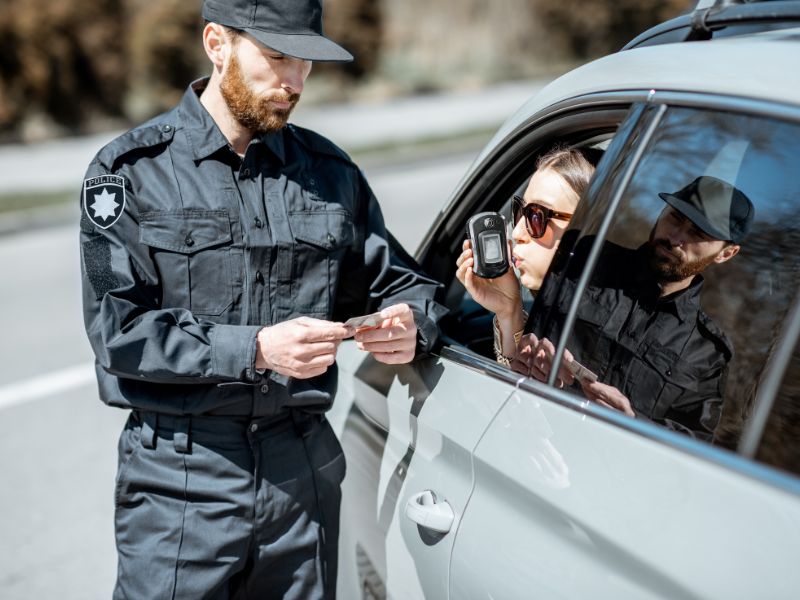
The portable breath test at the scene is also voluntary in North Carolina. This preliminary test differs from the official breath test at the station. Refusing the roadside test doesn’t trigger automatic license suspension.

However, refusing the official breath test at the station has serious consequences. North Carolina’s implied consent law triggers automatic one-year license revocation for refusal. You cannot get limited driving privileges for six months after refusal.

How Wake County Prosecutors Build DWI Cases

Prosecutors use multiple types of evidence to prove impairment beyond reasonable doubt. Officer testimony about your driving, appearance, and behavior forms the foundation. Dashboard and body camera footage provides visual evidence for judges and juries.

Chemical test results from the Intox EC/IR II machine carry significant weight. Prosecutors present these numbers as scientific proof of impairment at trial. They argue that readings above 0.08% prove guilt regardless of other factors.

Field sobriety test performance becomes key evidence when chemical tests are unavailable. Officers testify about your performance on standardized tests they’ve administered hundreds of times. They present any stumbles or mistakes as clear signs of impairment.

Witness statements from other drivers or passengers add credibility to the State’s case. These witnesses may testify about erratic driving or obvious intoxication signs. Their testimony can be particularly damaging at trial.

Building Your Defense Strategy

Effective DWI defense starts with challenging the initial traffic stop’s legality. Officers must have reasonable suspicion based on specific, articulable facts. Illegal stops lead to suppression of all evidence obtained afterward.

Chemical test accuracy depends on proper machine maintenance and calibration procedures. The Intox EC/IR II requires specific protocols for valid results. Any deviation from required procedures creates reasonable doubt about test reliability.

Medical conditions and medications can mimic signs of alcohol impairment significantly. Diabetes, acid reflux, and neurological conditions affect test results and performance. Expert witnesses explain these alternative causes to judges and juries effectively.

Video evidence often contradicts officer reports about your appearance and behavior. Clear speech and normal walking on video undermines impairment claims. These inconsistencies create reasonable doubt that leads to acquittals.

License Consequences After a DWI Arrest

Your license faces both civil and criminal suspension after a DWI arrest. The civil revocation begins thirty days after arrest for most offenders. Criminal suspension follows conviction and depends on your sentencing level.

Offense Minimum Suspension Maximum Suspension
First DWI (0.08-0.14 BAC) 1 year 1 year
First DWI (0.15+ BAC) 1 year 2 years
Second DWI within 3 years 4 years 4 years
Third DWI within 5 years Permanent Permanent
Chemical Test Refusal 1 year 1 year

Limited driving privileges may be available after serving minimum suspension periods. These privileges allow driving for work, school, and household maintenance. The court requires proof of insurance and completion of substance abuse assessment.

Ignition interlock devices are mandatory for some DWI offenders in North Carolina. High BAC levels or repeat offenses typically trigger this requirement. The device prevents your vehicle from starting if alcohol is detected.

The True Cost of a DWI Conviction

Court fines range from $200 to $10,000 depending on your sentencing level. These fines represent only a fraction of the total financial impact. Additional costs quickly add up to thousands more in expenses.

Insurance premiums typically increase by 400% after a DWI conviction. This increase lasts for three years, costing most drivers over $10,000. Some insurers drop coverage entirely, forcing expensive high-risk policies.

Lost wages from jail time and license suspension affect your household significantly. Many people lose their jobs when they can’t drive to work. Professional licenses may be suspended or revoked following DWI convictions.

Hidden costs include attorney fees, court costs, and substance abuse treatment programs. Ignition interlock installation and monitoring adds hundreds monthly to your expenses. These financial burdens continue long after your case ends.

Why Michael Frickey’s Board Certification Matters

Board Certification in Criminal Law requires passing a comprehensive specialty examination. Attorneys must demonstrate substantial trial experience and peer recognition for excellence. Only a small percentage of North Carolina attorneys achieve this distinction.

Michael Frickey earned certification through years of dedicated criminal defense practice. He stays current on DWI law changes through continuing education requirements. This expertise benefits every client facing drunk driving charges in Wake County.

Board Certified attorneys understand the science behind chemical testing and impairment. We know how to challenge evidence using technical knowledge prosecutors often lack. This specialized knowledge creates opportunities for dismissals and acquittals.

Our comprehensive DWI defense services protect both your criminal record and driving privileges. We handle every aspect from DMV hearings to jury trials. Experience and certification make the difference when your future is at stake.

Immediate Steps After Your DWI Arrest

Document everything you remember about the traffic stop and arrest immediately. Write down officer names, badge numbers, and specific things they said. These details help identify constitutional violations and procedural errors.

Request your DMV hearing within ten days to protect your driving privileges. Missing this deadline guarantees automatic suspension regardless of case outcome. We file this critical paperwork immediately when you hire us.

Complete your substance abuse assessment as soon as possible after arrest. Early completion shows responsibility and may influence sentencing if convicted. Judges view proactive steps favorably during plea negotiations.

Avoid discussing your case on social media or with anyone except your attorney. Prosecutors monitor Facebook and Instagram for incriminating posts and photos. Even innocent comments can be twisted to suggest guilt.

How Frickey Law Fights for You

We investigate every detail from the initial stop through chemical testing. Our team obtains dash camera footage, maintenance records, and officer training files. This thorough investigation reveals weaknesses prosecutors hope you won’t find.

Former prosecutors on our team know how the State builds cases. We anticipate their strategies and prepare counter-arguments before they make them. This inside knowledge provides significant advantages during negotiations and trials.

We challenge evidence aggressively through pre-trial motions and cross-examination at trial. Illegal stops, improper testing, and rights violations all create dismissal opportunities. Our goal is case dismissal or reduction whenever possible.

When trials become necessary, we present compelling defenses to Wake County juries. Our trial experience includes hundreds of DWI cases over many years. Juries respond to our clear, persuasive presentation of reasonable doubt.

Protect Your Future Starting Today

A DWI charge threatens everything you’ve worked to build in life. Your job, your license, and your freedom all hang in the balance. Quick action with experienced legal help makes all the difference.

Wake County prosecutors won’t wait to build their case against you. Every day without representation risks missing deadlines and losing defense opportunities. The decisions you make now affect your life for years ahead.

Call (919) 832-6222 now to speak with Board Certified attorney Michael Frickey. We’ll review your case and explain exactly what you’re facing. Contact our office today to start building your strongest possible defense.

Understanding DWI Laws in Raleigh, NC – A Guide from a Defense Attorney

Understanding DWI Laws in Raleigh, NC – A Guide from a Defense Attorney

A DWI arrest in Wake County turns your life upside down instantly. You face criminal charges, license suspension, and thousands in potential costs. At Frickey Law, Board Certified Criminal Law Specialist Michael Frickey protects your rights and fights for your future.

Understanding DWI Charges in Raleigh

North Carolina defines driving while impaired as operating a vehicle with impairment from alcohol or drugs. Officers measure blood alcohol content during traffic stops on Capital Boulevard and Glenwood Avenue daily. The legal BAC limit stands at 0.08 percent for drivers over 21. Zero tolerance laws apply to drivers under 21 with any detectable alcohol.

Wake County law enforcement uses field sobriety tests and breathalyzer devices during DWI investigations. The implied consent law requires drivers to submit to chemical testing when arrested. Refusing these tests triggers automatic license suspension for one year. Police officers must follow strict procedures when administering these tests at the scene.

DWI charges range from misdemeanors to felonies based on aggravating factors and prior convictions. First-time offenders face different penalties than habitual impaired driving offenders with three or more convictions. The Wake County District Attorney’s office prosecutes these cases at 316 Fayetteville Street.

Legal Consequences and Penalties

North Carolina uses a five-level sentencing structure for DWI convictions from Level V to Level I. Level V represents the least serious with fines up to $200 and minimum jail time. Level I involves grossly aggravating factors with jail sentences up to three years. Your criminal record and case circumstances determine the sentencing level assigned by judges.

A DWI conviction creates a permanent criminal record that affects employment and housing opportunities. License suspension periods vary from one to four years depending on conviction level. Courts may require ignition interlock devices on your vehicle for restricted driving privileges. Insurance companies classify DWI convictions as high-risk factors that dramatically increase premium rates.

Financial Impact

Court costs, fines, and attorney fees quickly add up after a drunk driving arrest. Defendants pay for court-ordered substance abuse assessments and treatment programs if required. Insurance rates typically double or triple after a conviction and stay elevated for years. Lost wages from jail time and license suspension compound the financial burden families face.

Defense Strategies for DWI Cases

Experienced defense attorneys examine every aspect of your arrest to identify weaknesses in the prosecution’s case. Officers must have reasonable suspicion to initiate a traffic stop in Wake County. Field sobriety tests have strict administration requirements that officers sometimes violate. Breathalyzer machines require regular calibration and maintenance to produce accurate results.

Challenge the validity of chemical test results when proper procedures weren’t followed during your arrest. Blood test samples must maintain proper chain of custody from collection through laboratory analysis. Witness testimony can contradict officer observations about your behavior and driving patterns. Our comprehensive DWI defense strategies address every element prosecutors must prove beyond reasonable doubt.

Mitigating Factors

Clean driving records and voluntary participation in treatment programs influence sentencing outcomes favorably. Judges consider employment status, family responsibilities, and genuine remorse when determining appropriate penalties. Defense attorneys present evidence of your character and community ties during sentencing hearings. These factors can mean the difference between jail time and alternative sentencing options.

The Legal Process After Arrest

The 30-day window after arrest is critical for protecting your driving privileges in North Carolina. You must request a DMV hearing within 10 days to challenge license suspension. This administrative hearing occurs separately from your criminal case at the Wake County Justice Center. Missing this deadline results in automatic license suspension regardless of your criminal case outcome.

Your first court appearance happens at the Wake County District Court where charges are formally presented. Pre-trial motions can suppress illegally obtained evidence or dismiss charges based on procedural violations. Discovery reveals the prosecution’s evidence including video footage, test results, and officer reports. Board Certified specialists understand how to identify problems with evidence that other attorneys miss.

Trial Preparation

Strong DWI defense requires thorough investigation and expert witness testimony when cases go to trial. Attorneys review dashcam footage, body camera recordings, and maintenance records for testing equipment. Expert witnesses challenge the reliability of chemical tests and field sobriety test administration. Preparation makes the difference between conviction and case dismissal in Wake County courtrooms.

Alternative Sentencing Options

North Carolina offers several programs that allow eligible defendants to avoid jail time for DWI. The 90-96 program applies to first-time offenders charged with certain driving while impaired offenses. Successful completion results in dismissal of charges without a conviction on your record. Community service, substance abuse treatment, and educational programs satisfy court requirements under this option.

Prayer for Judgment Continued represents another tool for minimizing DWI conviction consequences in North Carolina. This unique option delays final judgment and prevents conviction from appearing on your record. Insurance companies cannot use PJC against you when setting rates under state law. Judges grant PJC at their discretion based on your circumstances and criminal history.

Treatment Programs

Court-ordered alcohol assessment identifies whether substance abuse treatment is necessary for your case. Outpatient treatment programs allow defendants to maintain employment while meeting court-ordered requirements. Residential treatment facilities provide intensive help for defendants with serious substance abuse issues. Completing these programs demonstrates commitment to change and often results in reduced sentences.

Choosing Legal Representation

Board Certification in Criminal Law distinguishes attorneys who have proven expertise through rigorous testing. The North Carolina State Bar awards this credential to fewer than 250 attorneys statewide. Michael Frickey earned this recognition and regularly defends clients facing driving under the influence charges. His experience includes successful outcomes in hundreds of impaired driving cases throughout Wake County.

Early intervention by qualified defense counsel protects your rights from the moment of arrest. Attorneys familiar with local prosecutors and judges understand how Wake County courts handle DWI cases. They negotiate plea agreements that minimize long-term consequences for your license and record. The Raleigh News and Observer recognized this expertise by naming our firm Best in Criminal Defense.

Free consultations allow you to discuss your case details and understand available defense options. Review client testimonials and case results when evaluating potential attorneys for your defense. Experience with similar cases in Wake County courts matters more than general criminal defense practice. Your future depends on having the right advocate fighting for you from day one.

Protect Your Rights Today

Every day without representation weakens your defense position against DWI charges in Raleigh. Wake County prosecutors build their case while you wait to take action. Call (919) 832-6222 now for your free consultation with a Board Certified specialist. Contact our office today to protect your driving privileges and your future.

DWI on Drugs: Frickey Law’s Defense Insights to Protect Your License and Livelihood

DWI on Drugs: Frickey Law’s Defense Insights to Protect Your License and Livelihood

A DWI drug charge in Wake County creates immediate legal problems. You face license suspension, mandatory jail time, and permanent criminal records. These drug-related driving charges carry penalties as severe as alcohol DWI cases.

North Carolina treats drugged driving with the same seriousness as drunk driving. Prescription medications, illegal drugs, or any impairing substance triggers DWI charges. Wake County prosecutors pursue these cases aggressively using blood tests and expert testimony.

At Frickey Law, Board Certified Criminal Law Specialist Michael Frickey defends drug DWI cases. We challenge blood test accuracy and police procedures in these complex cases. Our experience with Wake County drug impairment cases protects your driving privileges.

Understanding Drug DWI Laws in North Carolina

North Carolina’s DWI laws cover impairment from any substance, not just alcohol. Officers can arrest you for driving under the influence of legal prescriptions. Even over-the-counter medications that cause drowsiness can lead to charges.

Drug DWI charges don’t require specific concentration levels like alcohol cases do. The State only needs to prove the substance appreciably impaired your driving. This subjective standard makes drug impairment cases harder to defend.

Wake County uses Drug Recognition Experts to evaluate suspected drugged driving. These officers receive special training to identify drug impairment signs. Their evaluations carry significant weight in court proceedings.

Blood tests detect drugs days or weeks after use in some cases. Marijuana metabolites remain detectable long after impairment ends. This creates unfair situations where sober drivers face DWI drug charges.

Common Substances Leading to Drug DWI Arrests

Officers arrest drivers for impairment from various legal and illegal substances. Understanding which drugs trigger charges helps you recognize potential risks. Wake County sees arrests for these substances regularly:

  • Prescription medications: Xanax, Ambien, OxyContin, Adderall, muscle relaxers
  • Illegal drugs: Marijuana, cocaine, heroin, methamphetamine, MDMA
  • Over-the-counter medications: Benadryl, NyQuil, sleep aids, allergy medications
  • Medical marijuana: Even with valid prescriptions, still illegal to drive impaired
  • Combined substances: Mixing alcohol with any medication or drug

Each substance affects driving differently and stays detectable for varying periods. Your valid prescription doesn’t protect against drugged driving charges. Officers arrest based on impairment, not the legality of substances.

Drug Trafficking and Enhanced Penalties

Drug trafficking charges combined with DWI create mandatory prison sentences in North Carolina. Judges cannot reduce these sentences below statutory minimums. The amount and type of drugs determine your sentencing exposure.

Drug Type Amount for Trafficking Minimum Prison Time
Heroin (Schedule I) 4-13 grams 70 months (Class F)
Cocaine 28-199 grams 35 months
Marijuana 10-49 pounds 25 months
Methamphetamine 28-199 grams 70 months

These mandatory minimums apply regardless of your criminal history or circumstances. First-time offenders face the same minimum sentences as repeat offenders. Trafficking charges during DWI stops devastate lives through lengthy incarceration.

Challenging Drug Test Validity

Drug testing procedures in DWI cases often contain errors benefiting the defense. Blood draws must follow strict medical and legal protocols. Any deviation from requirements can invalidate test results completely.

Chain of custody problems frequently arise in drug-related driving cases. Blood samples pass through multiple handlers before reaching the lab. Missing documentation or improper storage creates reasonable doubt about results.

Laboratory testing methods vary in accuracy for different substances. Some tests cannot distinguish between legal and illegal substances reliably. False positives from prescription medications or supplements occur regularly.

Wake County’s crime lab has experienced problems with testing procedures before. Past contamination issues and protocol violations affect current case credibility. Your attorney should investigate the specific lab handling your sample.

Your Rights During Drug DWI Stops

You have the right to refuse field sobriety tests in North Carolina. These roadside exercises are voluntary despite officer implications otherwise. Poor performance gives officers evidence even if drugs didn’t cause it.

Refusing blood tests triggers different consequences than breath test refusal. Officers can obtain search warrants for forced blood draws. This happens frequently in Wake County for suspected drugged driving cases.

The forced blood draw process involves taking you to a hospital. WakeMed or Rex Hospital nurses draw blood under officer supervision. Refusing only delays the inevitable while triggering license suspension.

Your refusal results in automatic one-year license revocation by DMV. Limited driving privileges aren’t available for six months after refusal. The revocation applies even if you win your criminal case.

Real Case Success Stories

Our client faced felony drug possession with intent charges after a search. Officers found cocaine and marijuana in his work truck during a stop. The charges carried potential years in prison if convicted.

Investigation revealed multiple co-workers had access to the same truck. Some workers had histories of using the substances found. This raised serious questions about actual possession and ownership.

We challenged the State’s chain of custody for the drug evidence. Documentation gaps created doubt about evidence handling and testing. Two days before trial, prosecutors dismissed all charges completely.

This case demonstrates how thorough investigation defeats drug DWI charges. Every detail matters when challenging the State’s evidence. Aggressive defense strategies protect innocent people from wrongful convictions.

Defense Strategies for Drug Impairment Cases

Prescription medication defenses explain impairment symptoms without illegal activity. Many legal medications cause side effects mimicking drug intoxication. Your valid prescription creates reasonable doubt about criminal intent.

Medical condition defenses provide alternative explanations for officer observations. Diabetes, neurological conditions, and fatigue mirror drug impairment signs. Expert testimony explains these conditions to judges and juries.

Timeline defenses show drug use occurred after driving, not before. Rising drug levels and absorption rates affect impairment timing. We prove you were sober while driving despite later test results.

Constitutional challenges attack the stop, search, and seizure procedures used. Illegal stops or searches make all evidence inadmissible. These violations often result in complete case dismissal.

Protecting Your License and Future

Drug-related DWI convictions trigger the same license penalties as alcohol cases. Suspension periods range from one year to permanent revocation. Your driving record affects employment, insurance, and daily life significantly.

Professional licenses face review after any drug conviction in North Carolina. Healthcare workers, teachers, and CDL holders risk career destruction. The collateral consequences often exceed the criminal penalties imposed.

Immigration status suffers from drug convictions more than alcohol offenses. Drug crimes trigger deportation proceedings for non-citizens. Legal permanent residents lose status over drugged driving convictions.

Background checks reveal drug DWI convictions to employers and landlords forever. North Carolina doesn’t allow expunction of impaired driving convictions. This permanent record affects opportunities throughout your life.

Why Experience Matters in Drug DWI Defense

Drug impairment cases require specialized knowledge beyond standard DWI defense. Understanding pharmacology, toxicology, and testing procedures is essential. General practice attorneys lack this technical expertise.

Board Certified Criminal Law Specialists bring proven expertise to complex cases. Michael Frickey’s certification demonstrates mastery of criminal defense principles. This knowledge identifies defenses other attorneys miss.

Our drug DWI defense experience in Wake County courts provides strategic advantages. We know which arguments work with specific judges and prosecutors. Local relationships and reputation benefit every client.

Former prosecutors on our team understand how the State builds cases. We anticipate their strategies and prepare effective counter-arguments. This insider perspective strengthens negotiations and trial presentations.

Take Action on Your Drug DWI Case Now

Every day without representation weakens your drugged driving defense significantly. Evidence disappears, witnesses forget details, and deadlines pass permanently. Quick action with experienced counsel protects your rights.

Wake County prosecutors begin building drug DWI cases immediately after arrest. They use crime labs, expert witnesses, and substantial resources against you. Professional representation levels this playing field.

Drug-related driving charges threaten your freedom, license, and future opportunities. Don’t face these serious charges without specialized defense counsel. The right attorney makes the difference between conviction and dismissal.

Call (919) 832-6222 now for your free consultation about drug DWI charges. Board Certified attorney Michael Frickey will evaluate your case thoroughly. Contact our office today to start building your defense immediately.

Steps to Take After Receiving a Traffic Ticket

Steps to Take After Receiving a Traffic Ticket

Are you among the many who have recently received a traffic ticket and are wondering what to do next? Understanding the proper steps can make a significant difference in navigating the situation, whether it’s a speeding ticket, a parking violation, or other traffic citation. This article will guide you through each crucial step to ensure you handle your traffic ticket effectively. Here’s the information you’ll need, from understanding your rights to gathering evidence and making informed decisions.

Immediate Actions for Handling a Traffic Ticket 

Remain Calm

You must remain calm and collected when you first receive a traffic ticket. Your immediate actions set the tone for how you’ll handle the situation. The ticket is crucial evidence, so ensure you keep it safe. 

Review the Ticket

Before anything else, take a close look at the ticket. Check for errors and inaccuracies, and ensure you understand the traffic violations you’re charged with. The accuracy of this information can impact your case significantly.

Gather Evidence

Evidence can be your strongest ally when contesting a traffic ticket. Start by photographing the scene, if applicable, and collect witness information. Additionally, ensure you have all the necessary documents, such as your driver’s license, registration, and insurance.

Understand Your Rights

Knowing your rights is paramount. Understand the charges against you and the potential consequences. You should research local traffic laws to assess the validity of the ticket. This knowledge empowers you to make informed decisions.

Contact an Attorney

Consider seeking legal counsel from a traffic attorney. An initial consultation can help you understand your options and potential defense strategies, and an attorney can provide invaluable guidance throughout the process.

Pay the Fine or Contest?

You must decide whether to pay the fine or contest the ticket. Be aware of payment deadlines and the consequences of each choice. If you choose to contest, understand the process involved.

Gather Supporting Documents

Organize all your evidence and documents systematically, including witness statements, expert opinions (if relevant), and any other materials that strengthen your case.

Prepare for Court

Dress appropriately for your court appearance, review your case with your attorney, and arrive punctually. These steps will help you present your defense effectively and make a positive impression.

Attending the Hearing

Present your case confidently during the hearing, adhere to courtroom etiquette, and maintain composure. A composed and respectful demeanor can work in your favor.

Outcome Assessment

After the hearing, accept the court’s verdict and take any required actions. Learn from the experience to avoid future violations, and remember to update your driving record accordingly.

Frickey Law Firm

Receiving a traffic ticket can be stressful, but by following these steps, you can confidently navigate the situation and make informed decisions. Understanding your rights, gathering evidence, and seeking legal counsel are critical elements in achieving a favorable outcome. If you need expert legal guidance or have questions about your specific situation, don’t hesitate to contact the experienced attorneys at Frickey Law Firm at 919-780-5808. We are here to assist you in resolving your traffic ticket and ensuring the best possible outcome for your case. Your peace of mind is just a call away.