
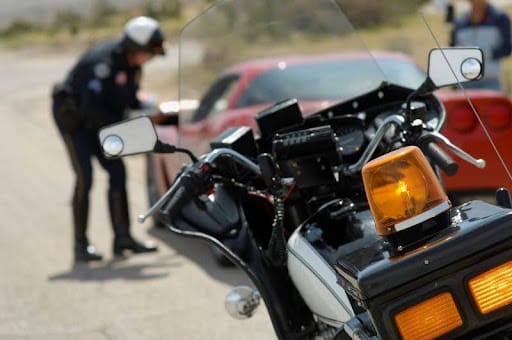
A DWI drug charge in Wake County creates immediate legal problems. You face license suspension, mandatory jail time, and permanent criminal records. These drug-related driving charges carry penalties as severe as alcohol DWI cases.
North Carolina treats drugged driving with the same seriousness as drunk driving. Prescription medications, illegal drugs, or any impairing substance triggers DWI charges. Wake County prosecutors pursue these cases aggressively using blood tests and expert testimony.
At Frickey Law, Board Certified Criminal Law Specialist Michael Frickey defends drug DWI cases. We challenge blood test accuracy and police procedures in these complex cases. Our experience with Wake County drug impairment cases protects your driving privileges.
Understanding Drug DWI Laws in North Carolina
North Carolina’s DWI laws cover impairment from any substance, not just alcohol. Officers can arrest you for driving under the influence of legal prescriptions. Even over-the-counter medications that cause drowsiness can lead to charges.
Drug DWI charges don’t require specific concentration levels like alcohol cases do. The State only needs to prove the substance appreciably impaired your driving. This subjective standard makes drug impairment cases harder to defend.
Wake County uses Drug Recognition Experts to evaluate suspected drugged driving. These officers receive special training to identify drug impairment signs. Their evaluations carry significant weight in court proceedings.
Blood tests detect drugs days or weeks after use in some cases. Marijuana metabolites remain detectable long after impairment ends. This creates unfair situations where sober drivers face DWI drug charges.
Common Substances Leading to Drug DWI Arrests
Officers arrest drivers for impairment from various legal and illegal substances. Understanding which drugs trigger charges helps you recognize potential risks. Wake County sees arrests for these substances regularly:
- Prescription medications: Xanax, Ambien, OxyContin, Adderall, muscle relaxers
- Illegal drugs: Marijuana, cocaine, heroin, methamphetamine, MDMA
- Over-the-counter medications: Benadryl, NyQuil, sleep aids, allergy medications
- Medical marijuana: Even with valid prescriptions, still illegal to drive impaired
- Combined substances: Mixing alcohol with any medication or drug
Each substance affects driving differently and stays detectable for varying periods. Your valid prescription doesn’t protect against drugged driving charges. Officers arrest based on impairment, not the legality of substances.
Drug Trafficking and Enhanced Penalties
Drug trafficking charges combined with DWI create mandatory prison sentences in North Carolina. Judges cannot reduce these sentences below statutory minimums. The amount and type of drugs determine your sentencing exposure.
| Drug Type | Amount for Trafficking | Minimum Prison Time |
|---|---|---|
| Heroin (Schedule I) | 4-13 grams | 70 months (Class F) |
| Cocaine | 28-199 grams | 35 months |
| Marijuana | 10-49 pounds | 25 months |
| Methamphetamine | 28-199 grams | 70 months |
These mandatory minimums apply regardless of your criminal history or circumstances. First-time offenders face the same minimum sentences as repeat offenders. Trafficking charges during DWI stops devastate lives through lengthy incarceration.
Challenging Drug Test Validity
Drug testing procedures in DWI cases often contain errors benefiting the defense. Blood draws must follow strict medical and legal protocols. Any deviation from requirements can invalidate test results completely.
Chain of custody problems frequently arise in drug-related driving cases. Blood samples pass through multiple handlers before reaching the lab. Missing documentation or improper storage creates reasonable doubt about results.
Laboratory testing methods vary in accuracy for different substances. Some tests cannot distinguish between legal and illegal substances reliably. False positives from prescription medications or supplements occur regularly.
Wake County’s crime lab has experienced problems with testing procedures before. Past contamination issues and protocol violations affect current case credibility. Your attorney should investigate the specific lab handling your sample.
Your Rights During Drug DWI Stops
You have the right to refuse field sobriety tests in North Carolina. These roadside exercises are voluntary despite officer implications otherwise. Poor performance gives officers evidence even if drugs didn’t cause it.
Refusing blood tests triggers different consequences than breath test refusal. Officers can obtain search warrants for forced blood draws. This happens frequently in Wake County for suspected drugged driving cases.
The forced blood draw process involves taking you to a hospital. WakeMed or Rex Hospital nurses draw blood under officer supervision. Refusing only delays the inevitable while triggering license suspension.
Your refusal results in automatic one-year license revocation by DMV. Limited driving privileges aren’t available for six months after refusal. The revocation applies even if you win your criminal case.
Real Case Success Stories
Our client faced felony drug possession with intent charges after a search. Officers found cocaine and marijuana in his work truck during a stop. The charges carried potential years in prison if convicted.
Investigation revealed multiple co-workers had access to the same truck. Some workers had histories of using the substances found. This raised serious questions about actual possession and ownership.
We challenged the State’s chain of custody for the drug evidence. Documentation gaps created doubt about evidence handling and testing. Two days before trial, prosecutors dismissed all charges completely.
This case demonstrates how thorough investigation defeats drug DWI charges. Every detail matters when challenging the State’s evidence. Aggressive defense strategies protect innocent people from wrongful convictions.
Defense Strategies for Drug Impairment Cases
Prescription medication defenses explain impairment symptoms without illegal activity. Many legal medications cause side effects mimicking drug intoxication. Your valid prescription creates reasonable doubt about criminal intent.
Medical condition defenses provide alternative explanations for officer observations. Diabetes, neurological conditions, and fatigue mirror drug impairment signs. Expert testimony explains these conditions to judges and juries.
Timeline defenses show drug use occurred after driving, not before. Rising drug levels and absorption rates affect impairment timing. We prove you were sober while driving despite later test results.
Constitutional challenges attack the stop, search, and seizure procedures used. Illegal stops or searches make all evidence inadmissible. These violations often result in complete case dismissal.
Protecting Your License and Future
Drug-related DWI convictions trigger the same license penalties as alcohol cases. Suspension periods range from one year to permanent revocation. Your driving record affects employment, insurance, and daily life significantly.
Professional licenses face review after any drug conviction in North Carolina. Healthcare workers, teachers, and CDL holders risk career destruction. The collateral consequences often exceed the criminal penalties imposed.
Immigration status suffers from drug convictions more than alcohol offenses. Drug crimes trigger deportation proceedings for non-citizens. Legal permanent residents lose status over drugged driving convictions.
Background checks reveal drug DWI convictions to employers and landlords forever. North Carolina doesn’t allow expunction of impaired driving convictions. This permanent record affects opportunities throughout your life.
Why Experience Matters in Drug DWI Defense
Drug impairment cases require specialized knowledge beyond standard DWI defense. Understanding pharmacology, toxicology, and testing procedures is essential. General practice attorneys lack this technical expertise.
Board Certified Criminal Law Specialists bring proven expertise to complex cases. Michael Frickey’s certification demonstrates mastery of criminal defense principles. This knowledge identifies defenses other attorneys miss.
Our drug DWI defense experience in Wake County courts provides strategic advantages. We know which arguments work with specific judges and prosecutors. Local relationships and reputation benefit every client.
Former prosecutors on our team understand how the State builds cases. We anticipate their strategies and prepare effective counter-arguments. This insider perspective strengthens negotiations and trial presentations.
Take Action on Your Drug DWI Case Now
Every day without representation weakens your drugged driving defense significantly. Evidence disappears, witnesses forget details, and deadlines pass permanently. Quick action with experienced counsel protects your rights.
Wake County prosecutors begin building drug DWI cases immediately after arrest. They use crime labs, expert witnesses, and substantial resources against you. Professional representation levels this playing field.
Drug-related driving charges threaten your freedom, license, and future opportunities. Don’t face these serious charges without specialized defense counsel. The right attorney makes the difference between conviction and dismissal.
Call (919) 832-6222 now for your free consultation about drug DWI charges. Board Certified attorney Michael Frickey will evaluate your case thoroughly. Contact our office today to start building your defense immediately.
