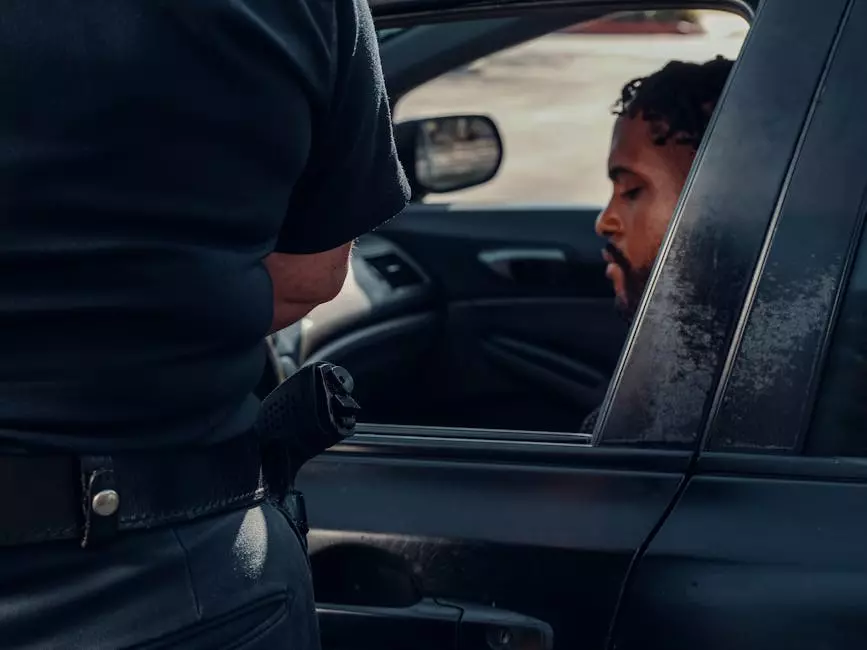
Fast Lane to Freedom – Picking the Right Speeding Ticket Lawyer in Raleigh

Fast Lane to Freedom – Picking the Right Speeding Ticket Lawyer in Raleigh

That speeding ticket on your dashboard threatens more than just a fine payment today. North Carolina adds points to your license and triggers insurance increases lasting three full years. What seems like a $50 citation actually costs thousands when premiums jump 45 to 400 percent. At Frickey Law, Board Certified Criminal Law Specialist Michael Frickey protects your driving record and saves money.

Paying your ticket online equals pleading guilty in Wake County District Court without any negotiation. This conviction adds license points that move you closer to suspension with every violation. Insurance companies track every conviction and raise your rates for years after the ticket. Our traffic defense team knows how to reduce or dismiss charges that would otherwise haunt you.

The Hidden Costs of Speeding Tickets in Wake County

Most speeding violations in North Carolina start with modest fines between $10 and $50 only. Wake County District Court at 316 Fayetteville Street adds approximately $130 in court costs automatically. School zones and construction zones double these penalties reaching $250 or more for violations. The real financial pain begins after you pay when insurance companies access your driving record.

North Carolina operates a dual-point system that hits your wallet from two different directions simultaneously. Driver’s license points come from the DMV and track your driving behavior for suspension purposes. Accumulate 12 points within three years and you face a 60-day license suspension immediately. Insurance points under the Safe Driver Incentive Plan trigger premium increases lasting three full years.

A single insurance point raises your premiums by 40 percent for three years minimum. Going 76 mph in a 65 zone adds four insurance points and triggers 90 percent rate increases. Eight insurance points mean your premiums skyrocket by 220 percent for the entire three-year period. These hidden costs far exceed the original fine printed on your citation from the officer.

Common Speeding Violations We Defend

Wake County officers write thousands of speeding citations annually on I-40 and the I-440 beltline. Speeding 15 mph or more over the limit can trigger automatic license suspension in NC. Reckless driving charges often accompany excessive speeding violations throughout the Triangle area roads. US-1 and Highway 70 feature regular patrols with confusing speed limit changes catching drivers.

Red light and stop sign violations cluster heavily in downtown Raleigh near NC State campus. School zone violations bring doubled fines and insurance points that insurance companies track carefully. Work zone citations on Capital Boulevard and Glenwood Avenue create serious penalties for drivers. Each violation type requires different defense strategies based on the specific circumstances and evidence.

Your Options After Receiving a Speeding Citation

Simply paying your speeding ticket means entering a guilty plea in North Carolina courts automatically. This guilty plea triggers points on both your license and insurance record without any negotiation. You surrender your right to contest the charge or potentially get it reduced. That $180 payment actually costs $1,500 or more over three years with insurance increases.

Contesting your ticket in Wake County follows a structured process starting with your court appearance. Filing a not guilty plea opens opportunities for your attorney to negotiate with prosecutors. Traffic cases often continue to later dates providing time for evidence review and negotiation. These continuances become valuable opportunities to challenge radar calibration, officer training, and procedural errors.

Prayer for Judgment Continued in North Carolina

North Carolina’s Prayer for Judgment Continued represents a unique legal tool unavailable in most states. Judges essentially pause your case indefinitely preventing points from appearing on your driving record. Each household typically receives one PJC every three years for insurance purposes under state law. A second PJC within five years still prevents license points but won’t stop insurance points.

Using your PJC wisely means saving it for violations that significantly impact your record. Minor speeding tickets less than 10 mph over may not justify spending your valuable PJC. Serious violations like DWI or excessive speeding aren’t eligible for PJC treatment at all. Having an experienced traffic attorney advocate significantly increases your chances of securing this option.

Improper Equipment Reductions

Improper equipment reductions convert speeding violations to non-moving violations in Wake County courts frequently. Prosecutors may agree claiming your speedometer was faulty rather than admitting you were speeding. These non-moving violations carry fines but add zero points to your license or insurance. Wake County prosecutors consider these deals based on your driving history and case circumstances.

Drivers with otherwise clean records often qualify for improper equipment reductions through skilled negotiation. This option protects your insurance rates from the dramatic increases moving violations trigger statewide. Court costs and fines still apply but you avoid the long-term financial damage entirely. Our traffic defense strategies focus on securing these favorable outcomes for qualified clients.

How Traffic Lawyers Protect Your Driving Record

Hiring a traffic attorney isn’t just another expense but a smart investment paying dividends repeatedly. We thoroughly review evidence including radar gun calibration records and officer training certificates for violations. Technical details matter because a single overlooked certification can mean dismissal versus points on record. Our established relationships with Wake County prosecutors provide advantages in negotiation that individual drivers lack.

Court representation means you continue working while we stand before judges advocating for you. Out-of-state drivers particularly value this service because they avoid return trips to Raleigh. We handle all paperwork electronically and provide documentation your home state DMV requires afterward. Strategic advice gets customized to your unique situation because CDL holders face different stakes.

Possible Case Outcomes

Complete dismissals happen when we identify procedural errors or equipment calibration problems with evidence. Speed reductions transform serious violations into minor ones with dramatically different insurance impacts going forward. The difference between 15 mph over versus 9 mph over means substantial insurance hikes. Non-moving violations like improper equipment eliminate both license and insurance points while you pay fines.

Prayer for Judgment Continued options prevent points from hitting your record when granted by judges. Having an attorney significantly increases approval chances for this judicial pause button in NC. Limited driving privileges allow continued driving to work and school during suspension periods for serious cases. Each outcome protects your future differently based on your specific circumstances and driving history.

Understanding North Carolina’s Point System

North Carolina’s DMV point system tracks violations and triggers suspensions when thresholds are reached automatically. License points and insurance points operate as separate systems both impacting you financially and legally. Understanding both systems helps you appreciate the value skilled legal representation provides for your case.

Violation Type License Points Insurance Points Premium Increase
Speeding 10 mph or less over 3 points 2 points 45%
Speeding 11-15 mph over 3 points 4 points 90%
Speeding 16+ mph over 4 points 4 points 90%
Reckless driving 4 points 4 points 90%
Running red light 3 points 3 points 80%

These percentage increases apply to your entire annual premium for three full years minimum. A $1,000 annual premium becomes $1,450 with just one minor speeding ticket over three years. Multiple violations compound these increases creating financial burdens lasting well beyond the original citation date. This is why fighting tickets with qualified legal help makes tremendous financial sense overall.

Choosing the Right Traffic Attorney in Raleigh

Experience and specialization matter when selecting legal representation for your speeding ticket in Wake County. Attorneys handling hundreds of traffic cases annually in Raleigh courts possess insights general practitioners lack. Board Certification in Criminal Law demonstrates recognized expertise that’s been tested and verified officially. The North Carolina State Bar awarded this credential to Michael Frickey recognizing his specialized knowledge.

Client reviews mentioning specific outcomes tell the true story about an attorney’s effectiveness in court. Response time to your initial inquiry indicates how they’ll prioritize your actual case later. Transparency about fees and potential outcomes shows respect for your situation and honest communication. Trust your instincts about whether they make unrealistic promises or provide straightforward honest assessments instead.

Special Considerations for Commercial Drivers

CDL holders face federal disqualification rules beyond standard state penalties for traffic violations in NC. One serious violation in your personal vehicle affects your commercial driving privileges at work immediately. Two violations trigger a 60-day commercial driver’s license disqualification period under federal regulations currently. Three violations mean a 120-day ban from commercial driving that destroys your income and livelihood.

Protecting your CDL requires aggressive defense because your career depends on maintaining clean records. We understand the unique stakes commercial drivers face with every citation they receive in traffic. Our defense strategies prioritize outcomes that preserve CDL privileges and protect your professional driving future. Early intervention by experienced counsel often prevents violations from appearing on your commercial driving record.

Out-of-State Drivers Need Local Representation

Interstate driver compacts share violation information meaning your home state learns about Raleigh tickets immediately. Points systems in your home state may impose harsher penalties than North Carolina residents face. Returning to Wake County for court appearances adds travel costs and time away from work. We handle everything remotely for out-of-state clients including court appearances on your behalf entirely.

Electronic document management means you never need to return to Raleigh for your case. We provide documentation your home state DMV requires after case resolution in Wake County. North Carolina’s unique options like Prayer for Judgment Continued get translated into terms making sense. Local representation ensures you’re not penalized extra simply because you don’t live in the area.

Common Questions About Traffic Ticket Defense

Ignoring your speeding ticket creates bigger problems than the original violation ever caused initially. The Wake County court issues a Failure to Appear notice when you miss your scheduled appearance. Your fines multiply with additional penalties and your license gets suspended automatically in NC. Out-of-state drivers face license suspension in their home state through interstate driver compacts.

Courts may even issue arrest warrants turning simple traffic matters into complicated legal situations. Rather than creating these problems, contact a traffic defense attorney immediately after receiving citations. We provide a path forward that protects your driving privileges and minimizes financial damage.

Cost vs Benefit Analysis

Attorney fees represent a fraction of potential insurance increases over three years following conviction. A single speeding ticket raising premiums 45 percent costs $1,350 on a $1,000 annual policy. Our representation typically costs far less than these insurance increases making it financially smart. Free consultations help you understand the value legal representation provides for your specific case.

Early intervention within 20 days of receiving your citation provides maximum time for investigation. This window allows thorough evidence review and strategy development before your court date arrives. Never pay your ticket online before consulting an attorney because payment equals guilty plea. That convenient payment option closes many defense doors that could have saved you thousands.

Why Board Certification Matters for Traffic Defense

Board Certification in Criminal Law distinguishes attorneys with proven expertise defending traffic violations successfully. Michael Frickey completed rigorous additional training and examination beyond basic attorney licensing requirements in NC. The North Carolina State Bar recognizes this specialized knowledge through official certification standards and testing. Fewer than 250 attorneys statewide have earned this advanced credential in criminal law currently.

We answer calls 24/7 because traffic citations happen at all hours throughout Wake County. Free consultations help you understand options before spending any money on legal representation. Recognition as 2024’s Best in Criminal Defense by the Raleigh News & Observer reflects results. National Trial Lawyers organization ranks us in their Top 100 attorneys nationwide for defense work.

We appear in Wake County courts daily and know every prosecutor’s negotiation patterns personally. Years of regular appearances build professional relationships that benefit our clients directly and consistently. Our established presence produces better outcomes than outside attorneys who rarely practice in Raleigh. Local experience and relationships matter when fighting to protect your driving record and future.

Take Action Before Points Hit Your Record

  • Never pay your ticket online without understanding you’re pleading guilty and accepting all consequences permanently.
  • North Carolina’s dual point system hits you twice with license points and insurance rate increases.
  • Prayer for Judgment Continued and improper equipment reductions dramatically reduce citation impacts when secured properly.
  • Qualified traffic attorneys handle everything without you missing work or school for court appearances throughout.
  • Legal representation investment saves far more than three-year insurance premium increases from traffic convictions cost.

That momentary lapse merging onto I-440 shouldn’t lead to years of financial pain and hardship. With the right legal approach, most drivers minimize or eliminate speeding ticket consequences entirely. Strategic defense protects your record allowing you to continue driving throughout the Triangle area.

Don’t let a single ticket derail your driving future or cost you thousands unnecessarily. The sooner you call, the more defense options we have available for your case. Call (919) 832-6222 now for your free consultation with a Board Certified traffic defense specialist. Contact our office today to put this ticket in your rearview mirror for good.
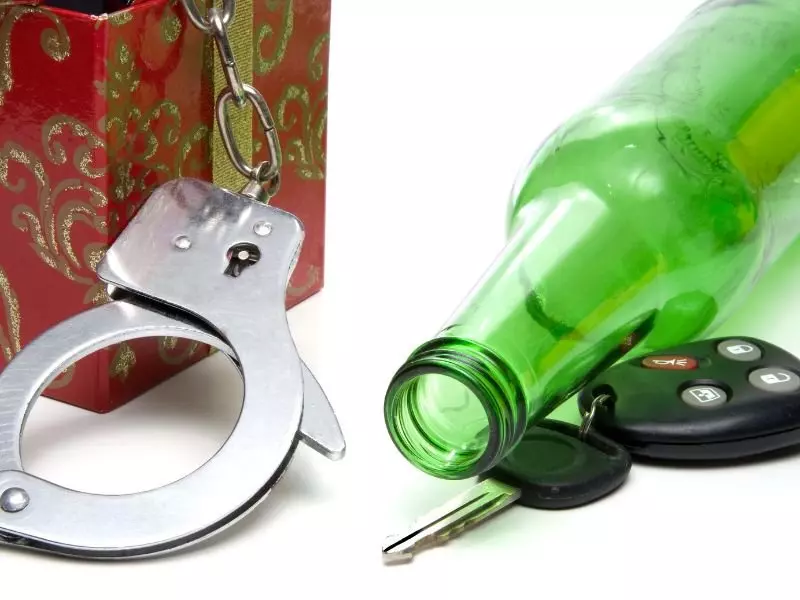

Arrested for DWI in Raleigh? Why Attorney Experience Matters

Arrested for DWI in Raleigh? Why Attorney Experience Matters

Facing DWI charges in Raleigh threatens your freedom, finances, and future opportunities in ways few realize. Wake County prosecutors pursue impaired driving cases aggressively with experienced attorneys who handle these charges daily. At Frickey Law, Board Certified Criminal Law Specialist Michael Frickey brings decades of courtroom experience defending clients. A DWI defense attorney with proven expertise makes the critical difference between conviction and favorable outcomes.

North Carolina DWI laws rank among the harshest in the entire United States for penalties. First-time offenders face mandatory jail time, substantial fines, and one-year license suspensions under state law. Multiple convictions trigger enhanced sentencing including extended incarceration and permanent license revocations statewide. Experience defending these complex cases separates effective advocates from attorneys who dabble in criminal law.

What Constitutes DWI in North Carolina

North Carolina law defines driving while impaired as operating a vehicle with impairment from alcohol or drugs. Blood alcohol concentration of 0.08 percent or higher creates legal presumption of impairment for adults. Drivers under 21 face zero tolerance laws meaning any detectable alcohol triggers DWI charges. Commercial drivers operate under stricter 0.04 percent BAC limits while working in North Carolina.

Impairment doesn’t require meeting specific BAC thresholds under North Carolina’s noticeably impaired standard for prosecutions. Officers may arrest drivers showing signs of impairment even with BAC below 0.08 percent. Prescription medications, over-the-counter drugs, and illegal substances all support DWI charges when they impair driving. This broad definition means many drivers face charges they never expected to receive after stops.

How Officers Measure Impairment

Law enforcement uses field sobriety tests, breathalyzers, and blood tests to measure driver impairment levels. The three standardized field sobriety tests include horizontal gaze nystagmus, walk-and-turn, and one-leg stand. Officers observe physical coordination, balance, and ability to follow instructions during these roadside evaluations carefully. Breathalyzer devices measure alcohol concentration in breath samples collected at the scene or station.

Blood tests provide the most accurate measurement of alcohol and drug presence in systems. North Carolina General Statute §20-16.2 governs chemical testing procedures and implied consent requirements for drivers. Officers must follow strict protocols for test administration or results become inadmissible as evidence. These technical requirements create opportunities for challenging prosecution evidence when procedures aren’t followed correctly.

Why Experience Matters in DWI Defense

Experienced impaired driving attorneys understand the technical aspects of DWI law that most people overlook. Chemical testing equipment requires regular calibration and maintenance to produce accurate results in court. Field sobriety tests have specific administration requirements that officers frequently violate during roadside investigations statewide. Traffic stops must meet constitutional standards or evidence becomes inadmissible regardless of test results.

Seasoned defense counsel knows how to identify weaknesses in prosecution cases that inexperienced attorneys miss. They understand local court procedures, judge tendencies, and prosecutor negotiation styles in Wake County specifically. Years of courtroom experience teach attorneys which arguments work and which strategies produce favorable outcomes. This practical knowledge cannot be learned from books but only through handling hundreds of cases.

Evaluating Evidence Effectively

Skilled attorneys meticulously review all evidence looking for inconsistencies, errors, and constitutional violations that occurred. Police reports often contain contradictions between officer observations and objective evidence like video footage. Breathalyzer maintenance records reveal calibration problems that cast doubt on result accuracy and reliability. Blood test chain of custody documentation shows handling errors that compromise sample integrity under scrutiny.

Expert witnesses provide technical testimony explaining how testing errors produce false results for defendants wrongly accused. Toxicologists challenge blood test procedures and interpretation of results presented by prosecution experts at trial. Accident reconstruction specialists dispute officer conclusions about driving behavior and impairment during traffic incidents investigated. Our comprehensive DWI defense approach utilizes all available resources to protect client rights and freedom.

Navigating Complex Court Procedures

Wake County District Court at 316 Fayetteville Street handles thousands of DWI cases annually. Each judge has unique preferences for evidence presentation, witness examination, and legal argument styles preferred. Prosecutors have different negotiation approaches requiring tailored strategies for achieving favorable plea agreements when appropriate. Experienced counsel understands these nuances that dramatically affect case outcomes for clients facing serious charges.

Pre-trial motions challenge evidence admissibility and constitutional violations that occurred during stops and arrests. Suppression motions can exclude breathalyzer results, field sobriety tests, and statements made to officers. Discovery procedures ensure defense receives all evidence prosecutors plan to use including exculpatory information. Trial preparation involves witness interviews, expert consultations, and developing persuasive narratives for juries when necessary.

Common Defense Strategies That Work

Challenging traffic stop legality represents one of the most effective defense strategies in DWI cases. Officers must observe specific traffic violations or have reasonable suspicion of impairment before stopping vehicles. Stops based on hunches, profiling, or minor equipment issues may violate Fourth Amendment protections. Successful challenges result in suppression of all evidence and dismissal of charges entirely.

Field sobriety test challenges focus on improper administration and conditions affecting performance during roadside evaluations. Medical conditions, injuries, medications, and roadside environments all impact test results creating reasonable doubt. Officers frequently fail to follow National Highway Traffic Safety Administration standardized protocols for test administration. These violations undermine test reliability making results inadmissible or less persuasive to juries at trial.

Attacking Chemical Test Reliability

Breathalyzer accuracy depends on proper calibration, maintenance, and operator training required by state regulations statewide. We obtain equipment maintenance logs revealing calibration problems that invalidate results presented by prosecutors in court. The 15-minute observation period before testing ensures mouth alcohol doesn’t contaminate samples producing false readings. Violations of this protocol create arguments for excluding test results from evidence entirely during trials.

Blood test procedures require strict chain of custody documentation from collection through laboratory analysis completion. Improper storage, contamination, or testing methods create doubt about result accuracy and reliability for convictions. Medical conditions like diabetes or acid reflux affect breath test results showing falsely elevated readings. Expert testimony explains these technical issues to judges and juries undermining prosecution cases effectively.

Proving Constitutional Violations

Miranda warnings become required when custodial interrogation begins after arrests occur in Raleigh and Wake County. Failure to provide these warnings means statements cannot be used as evidence against defendants. Illegal vehicle searches without consent or probable cause violate Fourth Amendment protections against unreasonable searches. Evidence obtained through illegal searches gets suppressed meaning prosecutors cannot use it at trial.

The implied consent law requires chemical testing but refusal only triggers civil license suspension. You cannot be criminally punished for exercising your right to refuse testing under law. Prosecutors try using refusals as consciousness of guilt but skilled attorneys challenge this unfair inference. Every constitutional protection applies to DWI cases just as it applies to other charges.

Choosing the Right Legal Representation

Board Certification in Criminal Law distinguishes attorneys with proven expertise in defending serious criminal charges. The North Carolina State Bar awards this credential through rigorous examination and extensive experience requirements. Michael Frickey earned this recognition demonstrating advanced knowledge in criminal defense including impaired driving cases. Fewer than 250 attorneys statewide hold this specialized credential showing exceptional commitment to legal excellence.

Track records reveal attorney effectiveness through past case outcomes, dismissals, and favorable verdicts achieved for clients. Client reviews and testimonials provide insight into communication styles, responsiveness, and overall client satisfaction with representation. Professional associations like the National College for DUI Defense indicate ongoing education and best practices. These factors combined help you identify qualified counsel capable of protecting your rights effectively.

Important Questions to Ask

  • How many DWI cases have you personally handled in Wake County District Court? Local court experience matters more than general criminal defense practice when facing these specific charges.
  • What is your success rate with dismissals, reduced charges, and not guilty verdicts? Past performance indicates likely outcomes though every case depends on unique facts and circumstances presented.
  • Will you personally handle my case or assign it to associate attorneys? Make sure you know exactly who will represent you in court and handle all negotiations.
  • How do you communicate with clients and how often should I expect updates? Clear communication expectations prevent frustration during stressful proceedings that take months to resolve completely.
  • What are your fees and what services do they include? Understanding costs upfront prevents surprises and helps you budget for quality representation needed for defense.

The Legal Process for DWI Cases

The process begins with the traffic stop and arrest followed by booking and chemical testing. Officers must have reasonable suspicion for stops and probable cause for arrests under law. Constitutional violations at this stage can invalidate the entire case regardless of evidence strength. The DMV hearing process happens separately within 30 days requiring action within 10 days.

Your first court appearance occurs at Wake County District Court for arraignment and plea entry. Defense attorneys typically enter not guilty pleas preserving all options for challenging charges through motions. Pre-trial motions challenge evidence admissibility, procedural violations, and constitutional rights violations that occurred during stops. Discovery involves exchanging evidence between prosecutors and defense attorneys before trial dates arrive in court.

Potential Case Outcomes

Dismissals occur when defense successfully challenges stop legality, test reliability, or constitutional violations during investigations. Reduced charges like reckless driving carry lesser penalties without DWI convictions on driving records. Plea agreements may include community service, substance abuse treatment, or probation instead of jail time. Not guilty verdicts result when prosecutors cannot prove impairment beyond reasonable doubt at trial.

Sentencing ranges from Level V to Level I based on aggravating and mitigating factors. Level V represents the least serious with minimum fines and potential jail time suspended. Level I involves grossly aggravating factors with mandatory jail sentences up to three years. Experienced defense counsel negotiates for favorable outcomes and minimal sentencing when convictions cannot be avoided.

Why Board Certification Matters

Board Certification in Criminal Law demonstrates expertise that goes far beyond basic attorney licensing. Michael Frickey completed additional training, passed rigorous examinations, and demonstrated extensive trial experience earning this credential. The North Carolina State Bar recognizes this specialized knowledge through official certification that only dedicated attorneys achieve. This advanced credential shows commitment to excellence in defending people facing serious criminal charges.

We answer calls 24/7 because DWI arrests happen at all hours throughout Wake County. Free consultations help you understand charges and defense options before spending any money on representation. Recognition as 2024’s Best in Criminal Defense by the Raleigh News & Observer reflects our results. National Trial Lawyers organization ranks us in their Top 100 attorneys nationwide for criminal defense work.

We appear in Wake County courts daily and know every prosecutor’s approach to DWI cases. Years of regular appearances build professional relationships that benefit our clients throughout their cases consistently. Our established presence produces better outcomes than outside attorneys who rarely practice in Raleigh regularly. Local experience and professional relationships matter when fighting to protect your freedom and driving privileges.

Protect Your Rights After DWI Arrest

DWI arrests in Wake County lead to serious consequences affecting your freedom, finances, and future. North Carolina’s harsh sentencing laws mean even first-time offenders face mandatory jail time and suspensions. Insurance increases, employment consequences, and criminal records follow you for years after convictions occur. Don’t face these charges alone without experienced legal representation protecting your constitutional rights throughout.

Every day without qualified counsel puts you at a disadvantage against prosecutors building cases. The 10-day DMV hearing deadline means you must act immediately to preserve driving privileges. Early intervention by Board Certified specialists provides the best chance for favorable outcomes in court. We’ve successfully defended hundreds of DWI cases throughout Wake County with proven strategies that work.

Your future depends on the decisions you make right now after being arrested for impaired driving. Prosecutors won’t offer breaks just because you’re scared or this is your first offense. Call (919) 832-6222 now for your free consultation with a Board Certified specialist in criminal law. Contact our office today to start building your defense and protecting your freedom immediately.

How to Prepare for Your First Meeting with a Raleigh DWI Attorney

How to Prepare for Your First Meeting with a Raleigh DWI Attorney

You’ve been charged with DWI in Wake County and need legal help. The first meeting with your attorney sets the foundation for your defense. Proper preparation for this consultation can save time, money, and stress.

Many people walk into their first attorney meeting unprepared and overwhelmed. They forget important documents or fail to ask critical questions. This wastes valuable time that could strengthen their defense strategy.

At Frickey Law, we’ve guided hundreds of DWI clients through this process. Board Certified Criminal Law Specialist Michael Frickey knows what information matters most. This guide helps you prepare for your first consultation effectively.

Understanding Your DWI Charge First

North Carolina defines DWI as driving with a BAC of 0.08% or higher. But Wake County prosecutors can charge you with any alcohol level present. They need only show that alcohol appreciably impaired your driving ability.

Officers use breath tests, field sobriety tests, and observations as evidence. The Intox EC/IR II machine at the jail measures your breath alcohol. Your performance on roadside tests becomes part of the police report.

DWI charges range from Level V misdemeanors to Aggravated Level I felonies. Your prior record, BAC level, and accident involvement determine the level. Each level carries different penalties including fines, jail time, and license suspension.

Understanding these basics helps you communicate effectively with your attorney. You’ll know what questions to ask and what information matters. This knowledge makes your first meeting more productive and focused.

Why You Need a Wake County DWI Attorney

Wake County prosecutors don’t negotiate fairly with unrepresented defendants. They know you don’t understand the complex DWI laws. Without an attorney, you’ll likely accept worse plea deals or convictions.

Experienced DWI attorneys know the local judges and prosecutors personally. They understand which arguments work in specific Wake County courtrooms. This local knowledge creates opportunities for better outcomes in your case.

Your attorney protects critical deadlines you might not know exist. You have only ten days to request a DMV hearing after arrest. Missing this deadline guarantees license suspension regardless of criminal case results.

Board Certified attorneys bring specialized knowledge that general practice lawyers lack. They understand breath test science and field sobriety test protocols. This expertise identifies defense opportunities others miss completely.

Documents to Bring to Your First Meeting

Proper documentation helps your attorney evaluate your case accurately and quickly. Gather these materials before your consultation to maximize your meeting time. Missing documents mean delays in developing your defense strategy.

Document Type Why It’s Important
Citation/Ticket Shows exact charges, court date, and officer information
Release Papers Contains bond conditions and magistrate’s findings
Breath Test Results Documents your BAC level if you took the test
DMV Letter Explains license suspension and hearing rights
Insurance Information Needed for limited driving privilege applications
Employment Verification Supports need for driving privileges to work
Medical Records Shows conditions that affect field test performance

Don’t worry if you’re missing some documents from this list. Your attorney can obtain police reports and videos through discovery requests. But bringing what you have speeds up the evaluation process significantly.

Information Your Attorney Needs to Know

Be prepared to discuss every detail of your arrest honestly and completely. Your attorney needs the truth to build an effective defense strategy. Attorney-client privilege protects everything you share from disclosure to prosecutors.

Start with where you were before the traffic stop occurred. Include what you ate, drank, and when you consumed alcohol. These timeline details help calculate your actual BAC while driving.

Describe the traffic stop including the officer’s stated reason for stopping you. Remember specific instructions given during field sobriety tests if possible. Note any medical conditions affecting your balance or coordination.

Discuss your interaction with officers including anything you said or admitted. Don’t hide embarrassing details that might surface in police reports later. Your attorney needs complete information to prepare for prosecutor arguments.

Questions to Ask During Your Consultation

Asking the right questions helps you evaluate your attorney’s experience and approach. Start with their specific experience defending DWI cases in Wake County. Local experience matters more than years practicing law in general.

Ask about their trial experience if your case doesn’t settle favorably. How many DWI trials have they handled in the past year? What percentage resulted in acquittals or dismissals versus convictions?

Discuss their approach to challenging breath tests and field sobriety tests. Do they have training in standardized field sobriety test administration? Can they identify problems with the Intox EC/IR II machine?

Understand their fee structure including what services are included or extra. Will they handle both criminal court and DMV proceedings? What happens if your case goes to trial unexpectedly?

Ask about realistic outcomes based on your specific case facts. What plea offers typically result from similar charges and evidence? How can you help strengthen your defense going forward?

Building Trust Through Communication

Open communication with your attorney strengthens your defense and reduces anxiety. Share updates about your case including any contact from prosecutors. Alert them to changes in employment or living situations immediately.

Ask questions whenever you don’t understand legal terms or procedures. Your attorney should explain complex concepts in plain English. Never hesitate to request clarification about your case status.

Respond promptly to your attorney’s requests for information or documents. Delays in providing materials can miss important deadlines. Quick responses keep your defense moving forward efficiently.

Be honest about your ability to pay fees and meet obligations. Financial stress shouldn’t prevent you from getting quality representation. Many attorneys offer payment plans or accept credit cards.

What Happens After Your First Meeting

Your attorney begins working immediately after you sign the representation agreement. They’ll file notices of appearance with the court and DMV. This ensures all communications go through them rather than directly to you.

Discovery requests go out to obtain police reports and videos quickly. Your attorney reviews this evidence for constitutional violations and weaknesses. This analysis shapes the defense strategy moving forward.

You’ll receive instructions about completing required assessments or treatment programs. Starting these early shows responsibility and may improve plea negotiations. Your attorney guides you through each requirement.

Regular updates keep you informed about your case progress and developments. Your attorney should explain each court date’s purpose and expected outcomes. This communication reduces uncertainty during the stressful legal process.

Preparing for Court Appearances

Your attorney will prepare you for each court appearance in advance. You’ll learn proper courtroom etiquette and how to address the judge. Practice sessions help you feel confident when testifying if necessary.

Dress professionally for all court appearances to show respect for proceedings. Business attire makes better impressions than casual clothing on judges. Your appearance matters more than you might think.

Arrive early for court to meet with your attorney beforehand. This allows time to discuss last-minute developments or strategy changes. Being rushed creates unnecessary stress during important proceedings.

Bring required documents including proof of assessment completion or community service hours. Missing paperwork can delay your case or anger the judge. Your attorney will specify exactly what you need.

How Our DWI Defense Team Helps You

Michael Frickey’s Board Certification demonstrates proven expertise in criminal defense. This specialized knowledge identifies defenses that general practice attorneys miss. We understand the science behind DWI evidence and how to challenge it.

Our team includes former Wake County prosecutors who know how the State builds cases. This insider perspective reveals weaknesses we exploit during negotiations. We anticipate prosecution strategies before they present them.

We handle every aspect from DMV hearings to jury trials comprehensively. Split representation between different attorneys often causes missed deadlines. Our unified approach protects both your license and criminal record.

Years of Wake County court experience means knowing every judge and prosecutor. We understand which arguments resonate with specific judges’ perspectives. This local knowledge improves outcomes through strategic case presentation.

Take Control of Your DWI Defense Now

Proper preparation for your attorney consultation starts your defense strong. Gathering documents and organizing information shows you take charges seriously. This preparation helps your attorney develop effective strategies faster.

Every day without representation weakens your position and limits options. Prosecutors continue building their case while you wait to act. Critical deadlines pass that affect your license and defense opportunities.

Call (919) 832-6222 to schedule your consultation with Board Certified attorney Michael Frickey. We’ll explain what to bring and how to prepare effectively. Contact our office today to start protecting your future immediately.

How a Raleigh DUI Lawyer Can Help You Navigate Your Case

How a Raleigh DUI Lawyer Can Help You Navigate Your Case

The officer’s flashlight shines through your window on Atlantic Avenue in Raleigh tonight. Your hands shake as you reach for your license and registration cards. This moment determines whether you face DUI charges in Wake County courts. At Frickey Law, Board Certified Criminal Law Specialist Michael Frickey protects drivers from convictions. We’ve defended hundreds of clients in Raleigh courts over decades of practice. Our firm has recovered over $50 million for clients across North Carolina. Our DUI defense experience turns the tide when everything seems stacked against you completely.

What Makes a DUI Charge in Wake County

North Carolina law defines DUI as operating any vehicle while impaired by substances. The State doesn’t need to prove you were drunk to convict you. They only need to show alcohol or drugs affected your driving ability. A blood alcohol concentration above 0.08% creates a presumption of impairment under law.

Commercial drivers face stricter standards with a 0.04% BAC limit for CDL holders. Drivers under twenty-one cannot have any alcohol in their system whatsoever today. These zero-tolerance rules mean one beer can trigger criminal charges and prosecution. Drug impairment charges don’t require specific concentration levels like alcohol cases do.

The Real Cost of a DUI Conviction

Court fines represent just the beginning of your financial burden after any conviction. Level V sentences start at $200, while Aggravated Level I requires $10,000. These fines don’t include court costs, attorney fees, or treatment programs required.

Your driver’s license faces suspension ranging from one year to permanent revocation permanently. Limited driving privileges might be available but require expensive SR-22 insurance coverage. Insurance companies treat DUI offenders as high-risk drivers for years afterward.

Your rates will increase by 400% or more for three years minimum. Employment consequences extend beyond jobs that require driving or professional licenses. Many employers conduct background checks and reject applicants with DUI convictions automatically.

Why Board Certification Matters for Your Defense

Board Certification in Criminal Law requires passing a rigorous specialty examination successfully. Attorneys must prove substantial trial experience and earn peer recognition throughout careers. Less than 2% of North Carolina lawyers achieve this prestigious certification credential.

Michael Frickey earned Board Certification through decades of criminal defense practice in courts. He maintains certification through continuing education on DUI laws and defenses regularly. This expertise provides advantages that general practice attorneys simply cannot match effectively.

Board Certified attorneys understand the science behind breath and blood testing completely. We know how medical conditions create false positives on chemical tests. This technical knowledge creates reasonable doubt that wins cases at trial.

Building Your Strategic Defense

Every DUI defense starts with examining the initial traffic stop’s legality carefully. Officers need reasonable suspicion based on specific observations to stop you legally. Weaving within your lane isn’t enough without crossing lane markers on roads.

We scrutinize field sobriety test administration for deviations from standardized procedures required. Officers must give specific instructions and demonstrate tests properly before beginning testing. Any variation from NHTSA guidelines can invalidate test results completely in court.

Chemical test challenges focus on machine maintenance, calibration, and observation procedures followed. The Intox EC/IR II requires twenty-minute observation before testing begins properly. Burping, regurgitation, or mouth alcohol can cause falsely elevated readings incorrectly.

Video evidence often contradicts officer testimony about your appearance and behavior observed. Clear speech and steady walking on camera undermines impairment claims significantly. These inconsistencies create reasonable doubt that leads to not guilty verdicts.

Navigating Wake County Court Procedures

Your first appearance happens at the Wake County Justice Center on Salisbury Street. This hearing establishes your next court date and any release conditions imposed. Discovery requests force prosecutors to provide all evidence against you immediately.

Pre-trial motions challenge constitutional violations and improper evidence before trial begins officially. Successful motions exclude key evidence or dismiss charges entirely before juries. Trial preparation involves witness preparation, jury selection strategy, and evidence presentation planning.

Alternative Resolutions to DUI Charges

Plea negotiations may reduce charges to lesser offenses with lighter penalties imposed. Reckless driving convictions avoid many DUI consequences while preserving driving privileges partially. Prosecutors consider these deals when evidence problems exist in their case.

Deferred prosecution programs offer dismissal after completing specific requirements over time periods. These programs typically require substance abuse assessment, treatment, and community service hours. Successful completion results in dismissal, avoiding any criminal conviction on your record.

Protecting Your License and Driving Privileges

DMV proceedings run separately from criminal court but carry equal importance for drivers. You have ten days after arrest to request a refusal hearing officially. Missing this deadline guarantees license suspension regardless of criminal case outcomes later.

Limited driving privileges may be available after serving minimum suspension periods required. These allow driving for work, school, medical appointments, and household maintenance tasks. Ignition interlock devices prevent vehicles from starting after detecting alcohol presence detected.

How Frickey Law Fights for You

We begin with a comprehensive review of every aspect of your arrest. Our team obtains all videos, reports, and chemical test data immediately. This investigation reveals defense opportunities other attorneys might miss entirely.

We handle both criminal defense and administrative license proceedings for clients comprehensively. This comprehensive approach protects your freedom and your ability to drive legally. Split representation often leads to missed deadlines and lost opportunities for defense.

Common DUI Defense Strategies That Work

Rising blood alcohol defenses apply when drinking stopped shortly before driving occurred. Your BAC continues rising after you stop drinking for up to two hours. We show your BAC was legal while driving but rose afterward.

Medical condition defenses explain symptoms officers mistook for intoxication mistakenly. Diabetes causes acetone breath that smells like alcohol to officers conducting stops. Illegal stop challenges question the officer’s reason for initiating contact with you.

Machine error defenses challenge the reliability of breath testing equipment used regularly. Radio frequency interference, temperature variations, and calibration errors affect results significantly. Expert witnesses explain these technical problems to judges and juries effectively.

Frequently Asked Questions About DUI Defense in Raleigh

What should I do immediately after a DUI arrest in Wake County?

Contact an experienced DUI attorney within 24 hours of your arrest immediately. You have only 10 days to request a DMV hearing to challenge license suspension. Don’t discuss your case with anyone except your attorney to protect rights. Gather all paperwork including citations, bond documents, and any receipts from arrest. Write down everything you remember about the stop while details remain fresh.

Can I refuse field sobriety tests in North Carolina?

Yes, you can refuse field sobriety tests without legal penalty in most situations. These roadside tests are voluntary and refusal cannot be used against you. However, refusing chemical breath or blood tests triggers automatic one-year license suspension. Officers rarely explain the difference between voluntary field tests and required chemical tests. An attorney can help you understand which refusals made sense in your case.

How long does a DUI stay on my record in North Carolina?

DUI convictions remain on your criminal record permanently in North Carolina without expungement. The conviction stays on your driving record for seven years under DMV rules. Insurance companies can see DUI convictions for at least three years affecting rates. Some employment background checks reveal convictions indefinitely depending on the employer’s policies. Fighting your charges aggressively prevents these permanent consequences from affecting your life.

Act Now to Protect Your Future

Every day without representation weakens your defense and limits your options significantly. Critical deadlines pass quickly while prosecutors build their case against you daily. The choices you make today determine consequences lasting for years ahead.

Michael Frickey’s Board Certification and trial experience make the difference in outcomes. We know Wake County judges, prosecutors, and winning defense strategies that work. Our aggressive representation protects your freedom, license, and future opportunities completely.

Call (919) 832-6222 now for your free consultation with our experienced team today. We’ll review your case and explain your defense options clearly and honestly. Contact our office immediately before it’s too late to act effectively.

Why You Need a DUI Lawyer in Raleigh After an Arrest

Why You Need a DUI Lawyer in Raleigh After an Arrest

A DUI arrest in Raleigh turns your life upside down in an instant. You face criminal charges, potential jail time, and license suspension that threatens your livelihood. Wake County prosecutors aggressively pursue impaired driving cases with serious penalties including fines reaching thousands. At Frickey Law, Board Certified Criminal Law Specialist Michael Frickey defends your rights and fights every charge. Our firm has recovered over $50 million for clients across North Carolina during 60 years.

North Carolina DWI laws carry some of the harshest penalties in the entire United States. First-time convictions result in mandatory minimum sentences, substantial fines, and license suspensions lasting one year. Experienced DWI defense representation makes the difference between conviction and favorable outcomes that protect your future completely.

Understanding DWI Laws and Penalties in North Carolina

North Carolina uses the term DWI rather than DUI for impaired driving offenses statewide. The legal blood alcohol concentration limit stands at 0.08 percent for drivers over 21. Zero tolerance laws apply to drivers under 21 with any detectable alcohol in systems. Commercial drivers face even stricter limits at 0.04 percent blood alcohol concentration while operating.

North Carolina employs a five-level sentencing structure for DWI convictions ranging from Level V to I. Level V represents the least serious with minimum jail time and lower fines. Level I involves grossly aggravating factors with mandatory jail sentences up to three years. Aggravating factors like high BAC, reckless driving, or prior convictions increase sentencing severity dramatically.

First Offense DWI Penalties

First-time DWI offenders in Wake County face mandatory minimum sentences even without aggravating factors. Level V sentencing includes fines up to $200 and minimum jail time of 24 hours. Courts may suspend jail time and impose community service instead for first-time offenders. License suspension lasts one year minimum but you may qualify for limited driving privileges.

Ignition interlock devices become mandatory for restoring driving privileges after DWI convictions in most cases. Insurance companies classify DWI convictions as major violations triggering dramatic rate increases for years. These hidden costs often exceed the actual fines and court costs imposed by judges.

Repeat Offender Consequences

Second DWI convictions within seven years trigger enhanced penalties under North Carolina sentencing guidelines automatically. Minimum jail time increases significantly with mandatory four-day sentences even at Level V. Third convictions result in felony charges with potential state prison sentences exceeding one year. Habitual impaired driving status applies after three convictions bringing permanent license revocation and incarceration.

Why You Need Experienced DWI Defense

Competent legal representation dramatically impacts the outcome of impaired driving cases in Raleigh courts. Defense attorneys understand the technical aspects of DWI law that most people never consider. Chemical testing procedures, traffic stop legality, and field sobriety test administration all require strict compliance. Any deviation from proper procedures creates opportunities to challenge evidence and dismiss charges.

Experienced DWI attorneys provide personalized consultation examining every detail of your specific case thoroughly. They formulate effective defense strategies based on the unique facts and circumstances of arrest. Attorneys advocate for your rights during police questioning, administrative hearings, and all court proceedings. Defense counsel handles complex paperwork, filing deadlines, and procedural requirements that confuse most people.

The DWI Legal Process in Wake County

Understanding the legal process helps you know what to expect after a DWI arrest. The process begins with the traffic stop and arrest followed by chemical testing. Officers must have reasonable suspicion to initiate traffic stops and probable cause for arrests. Violations of these constitutional requirements can invalidate the entire case regardless of test results.

The DMV hearing process happens separately from your criminal case within 30 days of arrest. You have only 10 days to request this hearing or face automatic license suspension. This administrative proceeding determines whether you keep driving privileges during the criminal case pendency. Missing this deadline means automatic suspension even if you’re ultimately found not guilty.

Effective DWI Defense Strategies

Challenging the legality of traffic stops represents one of the most effective defense strategies. Officers must observe specific traffic violations or have reasonable suspicion of impairment before stopping vehicles. Stops based on hunches, profiling, or improperly working equipment violate Fourth Amendment protections. Successful challenges to stop legality result in dismissal of all evidence and charges.

North Carolina General Statute §20-138.1 defines impaired driving but officers must follow National Highway Traffic Safety Administration protocols. Medical conditions, medications, injuries, and roadside conditions all affect test performance creating reasonable doubt. We challenge these tests showing they don’t reliably indicate intoxication in many circumstances.

Challenging Chemical Test Results

Breathalyzer machines require regular calibration and maintenance to produce accurate blood alcohol concentration readings. Officers must be properly trained and certified to operate these complex devices correctly. The 15-minute observation period before testing ensures mouth alcohol doesn’t contaminate results producing false readings. We obtain maintenance records and officer certifications identifying technical violations that invalidate test results.

Blood test procedures must follow strict chain of custody requirements from collection through analysis. Improper storage, contamination, or testing procedures create reasonable doubt about result accuracy. Medical conditions like diabetes or acid reflux can affect breath test results showing falsely elevated readings.

Choosing the Right DWI Lawyer in Raleigh

Board Certification in Criminal Law distinguishes attorneys with proven expertise defending impaired driving charges. The North Carolina State Bar awards this credential through rigorous examination and experience requirements. Michael Frickey earned this recognition demonstrating advanced knowledge in criminal defense including DWI cases. Fewer than 250 attorneys statewide hold this specialized credential showing exceptional commitment.

Local court experience matters tremendously when defending charges in Wake County District Court. Attorneys who appear daily know every judge’s tendencies and prosecutor’s negotiation style. These professional relationships built over years produce better outcomes for clients consistently.

Frequently Asked Questions About DWI Charges in Raleigh

What is the difference between DUI and DWI in North Carolina?

North Carolina uses the term DWI for all impaired driving offenses under state law. DUI and DWI mean the same thing but North Carolina statutes only reference DWI. Both terms describe driving while impaired by alcohol or drugs to any appreciable degree. The legal BAC limit remains 0.08 percent for drivers over 21 years old. Understanding this terminology helps when discussing your case with attorneys and court officials.

Can I refuse a breathalyzer test in North Carolina?

You can refuse a breathalyzer test but North Carolina’s implied consent law imposes consequences. Refusal triggers automatic one-year license suspension separate from any criminal charges filed. Prosecutors cannot criminally punish you for exercising your right to refuse testing. However, refusal can be mentioned in court as consciousness of guilt by prosecutors. An experienced attorney can challenge this unfair inference and explain legitimate reasons for refusal.

How much does a DWI lawyer cost in Raleigh?

DWI attorney fees in Raleigh typically range from $2,500 to $10,000 depending on case complexity. Simple first-offense cases with no aggravating factors cost less than complex felony cases. Most attorneys require a retainer upfront covering initial work and court appearances scheduled. Payment plans may be available to make quality legal representation accessible to everyone. The cost of conviction including fines, insurance increases, and lost opportunities far exceeds attorney fees.

Act Now to Protect Your Rights

DWI arrests in Wake County lead to serious consequences affecting your freedom and future. North Carolina’s harsh sentencing laws mean even first-time offenders face mandatory jail time. Insurance increases, employment consequences, and criminal records follow you for years after convictions. Don’t face these charges alone without experienced legal representation protecting your rights.

The 10-day DMV hearing deadline means you must act immediately to preserve driving privileges. Early intervention by Board Certified specialists provides the best chance for favorable outcomes. We’ve successfully defended hundreds of DWI cases throughout Wake County with proven strategies.

Your future depends on the decisions you make right now after being arrested. Call (919) 832-6222 now for your free consultation with a Board Certified DWI defense specialist. Contact our office today to start building your defense and protecting your freedom immediately.